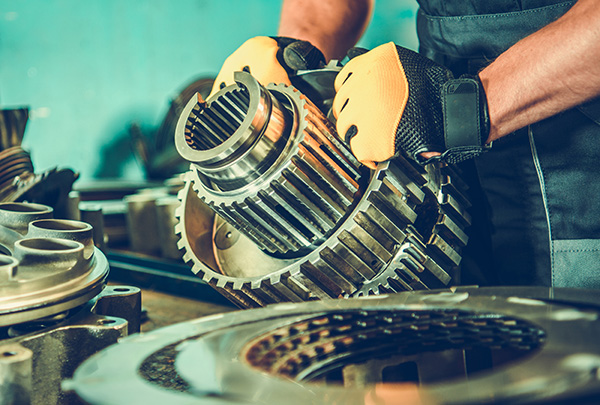
Transmission problems can feel confusing because they do not always start with a major failure. A slight delay when shifting, a small leak, or a faint burnt smell may seem like something the vehicle can live with for a little while. The car still moves, so the repair does not feel urgent yet.
That delay is where transmission problems become expensive. A small repair can stay small only if the cause is found before heat, low fluid, or worn internal parts start affecting the rest of the system.
Why Transmission Repairs Can Grow So Quickly
A transmission depends on clean fluid, steady pressure, correct computer control, and precise internal movement. When one part starts slipping or falling behind, the rest of the transmission has to work harder to make up for it. That extra strain creates heat, and heat is one of the fastest ways to damage transmission parts.
The tricky part is that many early symptoms come and go. One rough shift in the morning might disappear after a few minutes. A slight delay when shifting into drive might not happen every day. Those small clues still deserve attention because they can point to a repair that has not spread yet.
Low Or Dirty Fluid Can Start The Chain
Transmission fluid does more than lubricate. It helps generate hydraulic pressure, carries heat away from internal components, and allows clutch packs and valves to function correctly. If the fluid level drops due to a leak, the transmission may not have enough pressure to apply to the moving parts.
Dirty or burnt fluid creates a different problem. Once fluid breaks down, it cannot protect the transmission as well. Shifts can become harsher, slipping can increase, and internal wear can accelerate. A leak repair or fluid service caught early is far cheaper than replacing parts damaged by driving too long with poor fluid condition.
Small Leaks Should Not Be Treated Like Minor Messes
A few drops under the vehicle might not look serious, but transmission leaks rarely fix themselves. Common leak points include cooler lines, pan gaskets, axle seals, output shaft seals, and case connections. If the level keeps dropping, the transmission keeps working with less fluid than it needs.
That is how a simple seal or gasket repair can turn into a much larger problem. Low fluid can cause slipping, delayed engagement, overheating, and clutch damage. Once the internal clutch material starts to wear or burn, the repair may no longer be outside the transmission.
Heat Is What Turns Wear Into Damage
Heat is one of the biggest reasons a minor transmission issue grows. Slipping clutches, low fluid, towing, stop-and-go traffic, and restricted cooling can all raise transmission temperature. Once the transmission gets too hot, the fluid breaks down faster, and internal parts lose protection.
That creates a rough cycle. The transmission slips, which creates heat. The heat weakens the fluid, leading to greater slipping. If the cycle is not stopped early, internal damage can spread through clutch packs, seals, bushings, and valve body components.
Shift Problems Can Point To More Than One Cause
A transmission that shifts hard, hesitates, flares between gears, or bangs into gear needs a closer look. Sometimes the cause is external or electronic, such as a bad sensor, a wiring issue, a mount problem, a software concern, or a valve body fault. Other times, the symptom points to internal wear.
That is why an inspection is so important before assuming the worst. Testing can determine whether fluid level, pressure loss, control issues, or internal damage is causing the problem. Catching a solenoid or valve body problem early can sometimes keep the repair from becoming a full rebuild.
When Internal Parts Start Wearing Out
A full transmission rebuild becomes more likely when internal parts are already damaged. Worn clutch packs, damaged bands, failing bearings, broken hard parts, or heavy metal contamination inside the fluid all point to a deeper failure. At that stage, replacing one external part will not restore the transmission.
Contamination is a big clue. Once friction material or metal debris starts moving through the transmission, it can spread into passages, valves, the cooler, and other parts of the system. That is why waiting too long can change the whole repair path. A rebuild may become the only proper way to clean, inspect, and replace what has been damaged.
Why Driving Through Symptoms Costs More
Many drivers keep going because the vehicle still moves. That is understandable, but transmissions do not respond well to being driven while slipping, leaking, overheating, or shifting incorrectly. Every mile can add heat and wear to parts that might have been saved earlier.
Regular maintenance helps reduce that risk because fluid condition, leaks, and early shift concerns can be spotted before they get severe. If the vehicle already has warning signs, waiting for the dashboard to confirm the problem is not a good plan. Transmissions can be badly damaged before a warning light ever tells the full story.
Get Transmission Repair In Maryland And Delaware, With Admiral Tire And Auto of Edgewater
If your vehicle is slipping, leaking transmission fluid, shifting harshly, or hesitating before it moves, Admiral Tire And Auto of Edgewater can help drivers in Maryland and Delaware identify the cause before the problem worsens.
Bring it in while the problem still has a chance to stay focused, rather than becoming a full rebuild.