Posted on 8/28/2026

A car does not need a luxury badge or a high monthly payment to feel refined. Drivers notice comfort, quiet operation, precise controls, clean surfaces, and predictable road behavior far more than the logo on the steering wheel. Many of the qualities associated with an expensive vehicle come from basic condition and thoughtful upkeep. A modest car with good tires, tight suspension parts, clear lighting, and a well-kept interior can feel better on the road than a premium model with neglected maintenance. 1. A Quiet, Controlled Ride Road noise, tire roar, rattles, and suspension clunks quickly make a car feel older and less refined. Some noise comes from the original design, but worn components can increase it considerably. Cupped tires may create a steady humming sound. Weak shocks or struts allow the tires to bounce, while worn sway bar links, control arm bushings, or upper mounts can knock over uneven pavement. Loose heat shields and underbody panels may add buzzi ... read more
Posted on 7/30/2026
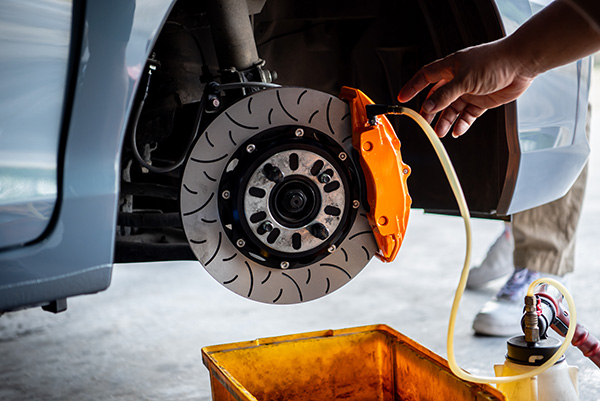
Brake fluid receives little attention because it is hidden inside the brake system. You press the pedal, the vehicle stops, and nothing seems wrong. That makes it easy to assume the fluid is fine as long as the brakes still work. Brake fluid does go bad over time. It absorbs moisture, collects contamination, loses heat resistance, and can contribute to corrosion inside the hydraulic brake system. A brake fluid flush is not only about fixing a soft pedal. Preventive service often helps protect braking performance before the driver notices a major change. What Brake Fluid Does Brake fluid transfers force from your foot to the brakes at the wheels. When you press the brake pedal, the master cylinder pushes fluid through brake lines and hoses. That hydraulic pressure moves the calipers or wheel cylinders, allowing the pads or shoes to slow the vehicle. The fluid also has to handle heat. Braking creates heat at the pads, rotors, drums, and calipers. During heavy traffic ... read more
Posted on 6/26/2026

Modern vehicles depend on computers far more than many drivers realize. The engine still has belts, hoses, fluids, sensors, and moving parts, but the car’s computer is constantly monitoring how they behave. When something falls outside the normal range, the ECU stores information that can help point the repair in the right direction. That is where an ECU diagnostic becomes useful. It does not magically fix the car, and it does not always identify a single failed part. What it does is show what the car has been seeing, which systems are reacting, and where testing should begin. What The ECU Actually Does ECU stands for engine control unit. Some people also use the term ECM, or engine control module. Either way, this computer manages key engine functions by reading sensor data and making adjustments while the vehicle is running. The ECU helps control fuel delivery, ignition timing, idle speed, emissions systems, and in some vehicles, communication with the tran ... read more
Posted on 5/29/2026
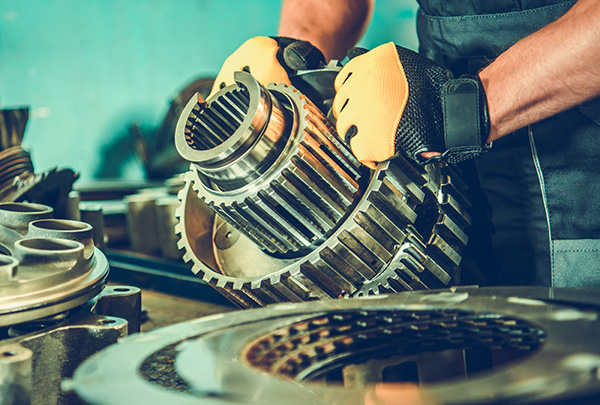
Transmission problems can feel confusing because they do not always start with a major failure. A slight delay when shifting, a small leak, or a faint burnt smell may seem like something the vehicle can live with for a little while. The car still moves, so the repair does not feel urgent yet. That delay is where transmission problems become expensive. A small repair can stay small only if the cause is found before heat, low fluid, or worn internal parts start affecting the rest of the system. Why Transmission Repairs Can Grow So Quickly A transmission depends on clean fluid, steady pressure, correct computer control, and precise internal movement. When one part starts slipping or falling behind, the rest of the transmission has to work harder to make up for it. That extra strain creates heat, and heat is one of the fastest ways to damage transmission parts. The tricky part is that many early symptoms come and go. One rough shift in the morning might disappear after ... read more
Posted on 4/30/2026
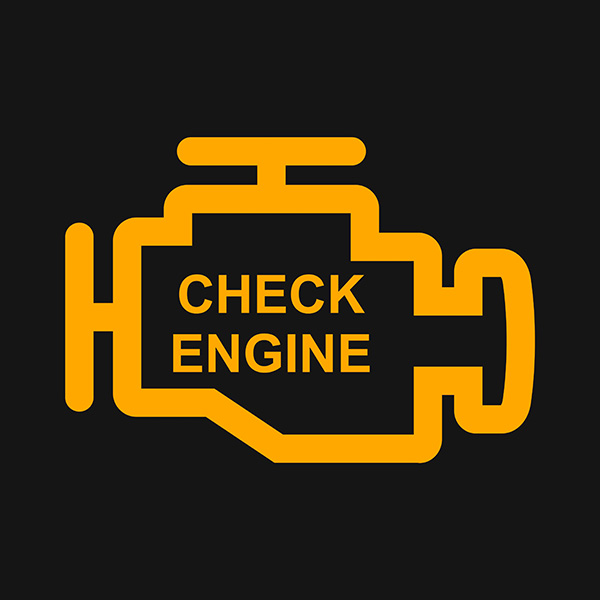
A check engine light can feel insulting when the car is driving fine. No loud noise, no smoke, no clear loss of power, just a warning on the dashboard that shows up and refuses to explain itself. That is usually what makes drivers wait. If nothing feels wrong, the problem cannot be that serious, right? Not always. Many check engine light problems begin before the driver feels much of anything. Why The Light Can Come On Before The Car Feels Different Modern vehicles watch far more than most drivers realize. The computer tracks fuel mixture, emissions performance, ignition activity, airflow, temperature, and sensor response every time the engine runs. If one reading drifts far enough out of range, the car stores a fault and turns on the light. That does not mean the engine is about to quit. It means the system caught something that isn't working the way it should. In many cases, the computer detects the problem before the driver does. Small Sensor Proble ... read more